Selling Land With Wetlands – A Complete Guide for Landowners Across the United States 🌿💧
Selling land with wetlands can feel confusing, especially if you’ve been told your property can’t be built on or has environmental restrictions. Many landowners discover wetlands only after trying to develop or sell the land.
Wetlands are extremely common across the United States and often affect vacant land in rural, coastal, and low-lying areas. While they can limit certain uses, they do not mean your land has no value.
This guide explains how wetlands impact land ownership, development, and selling options nationwide.
What Are Wetlands?
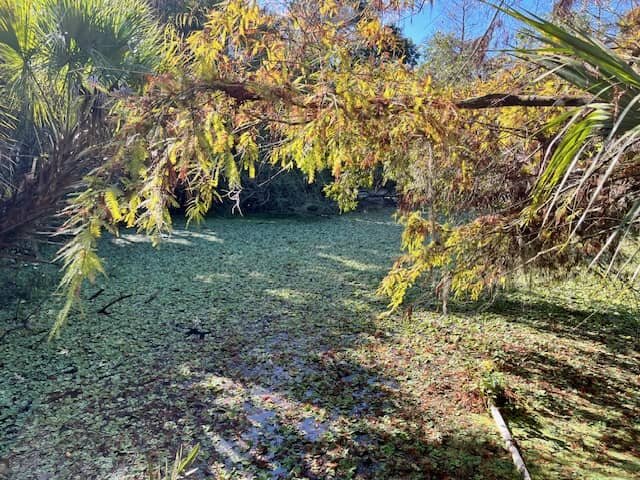
Wetlands are areas of land where water is present at or near the surface for part of the year. These areas are often protected due to their environmental importance.
Wetlands may include:
- Marshy areas
- Swamps
- Low-lying land that holds water 💧
- Seasonal flood zones
- Protected wildlife habitats
Some wetlands are obvious, while others are only identified through environmental maps or soil studies. The state of Florida has a high density of wetlands.
How Wetlands Affect Property Use
Wetlands can limit what can be done with land, including:
- Building homes 🏠
- Adding driveways
- Clearing trees
- Installing septic systems
- Changing the natural landscape
Local, state, and federal regulations may restrict development in these areas.
Why Wetlands Make Selling Land More Challenging
Traditional buyers often want land that is ready to build on.
When wetlands are present, buyers may worry about:
- Permit restrictions
- Environmental regulations
- Limited development potential
- Failed Perc Test
- Extra costs to determine buildability
This can make selling land with wetlands more complex through standard real estate channels.
Can You Still Sell Land With Wetlands?
Yes — Wetlands Do Not Make Land Worthless
Many people assume wetlands mean the property can’t be sold. That’s not true.
Land with wetlands is bought and sold across the country every day.
Common buyers include:
- Investors
- Conservation buyers 🌎
- Recreational land buyers
- Neighboring property owners
Even if building is limited, the land can still hold value.
Signs Your Property May Have Wetlands ⚠️
You may have wetlands on your land if:
- The ground stays wet for long periods
- You’ve been denied a building permit
- The county identified environmental restrictions
- A soil test showed high water levels
- Flood zone maps show water-prone areas
Many landowners only discover wetlands when they try to develop the property.
Wetlands Often Occur With Other Land Issues
Properties with wetlands commonly overlap with:
- Non-buildable zoning
- Access challenges
- Landlocked Property
- Rural locations
- Inherited land
- Zoning Issues
- Back taxes 💰
This combination is extremely common nationwide.
How Wetlands Affect Land Value 📉
Wetlands can influence value depending on:
- How much of the property is affected
- Whether any portion is buildable
- Location and surrounding demand
- Local environmental rules
In some cases, only part of a property is wetlands, while the rest remains usable.
Why Some Owners Choose to Sell Land With Wetlands
Landowners often consider selling when:
- They cannot build on the property
- The land sits unused
- Taxes continue to increase
- Environmental rules feel complicated
- The property was inherited
For many people, owning restricted land becomes more responsibility than benefit.
Nationwide Trends With Wetlands Properties
Wetlands are especially common in:
- Coastal regions 🌊
- Southern states
- River-adjacent land
- Low-elevation areas
- Older undeveloped parcels
As environmental awareness has grown, mapping and protections have expanded across the country.
Environmental Protections and Regulations
Wetlands are often protected under environmental laws that aim to preserve:
- Water quality
- Wildlife habitats
- Natural drainage systems
This doesn’t mean the land can’t be owned or sold — it just means development may be limited.
Final Thoughts on Selling Land With Wetlands
Discovering wetlands on your property can be surprising, but it’s a common situation faced by landowners across the United States.
While restrictions can impact building and development, many properties with wetlands still have value and can be sold.
Understanding how wetlands affect use and ownership helps you make informed decisions about what to do next. Need more information? Visit our Resource Section or Contact Us!
Get Started: Get Your Cash Offer Below…
We are direct land buyers. There are no commissions or fees and no obligation whatsoever. Start below by sharing where your property is and where we can send your offer…