Selling Land With Environmental Restrictions – A Complete Guide for Landowners Across the United States 🌿⚠️
Selling land with environmental restrictions can feel confusing — especially when the property looks “normal” but you’re told there are limits on building, clearing, or usage.
Across the United States, environmental rules can affect vacant land in rural, suburban, and coastal areas. These restrictions don’t automatically prevent a sale, but they can impact buyer interest, timelines, and value.
This guide explains common environmental restrictions, why they happen, and how landowners successfully sell restricted land nationwide.
What Are Environmental Restrictions?
Environmental restrictions are rules or limitations that affect how land can be used to protect natural resources, habitat, water quality, or public safety.
Restrictions may come from:
- Federal agencies
- State environmental departments
- Counties and municipalities
- HOA/community standards
- Recorded conservation agreements
Some restrictions are recorded on title, and others show up through permitting and environmental reviews.
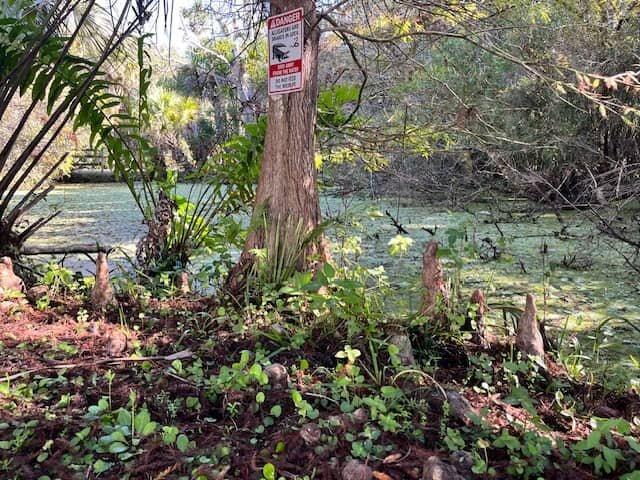
Common Environmental Restrictions That Affect Land Sales
Wetlands and Buffers 🌿
Even partial wetlands can limit clearing, building footprints, and drainage planning.
Flood Zones and Floodways 🌊
Flood-prone land may have building rules, elevation requirements, or insurance implications.
Protected Species or Habitat 🐢🦅
Certain areas restrict development due to wildlife habitat protection.
Conservation Easements
These can permanently limit development and certain land uses.
Soil and Water Concerns
High water tables, poor drainage, or sensitive watersheds can trigger stricter rules.
Contamination or Environmental Cleanup Concerns ⚠️
Some properties may be flagged due to past dumping, industrial use, or unknown materials.
Not every property has all of these issues — but even one can change how buyers view the land.
Can You Still Sell Land With Environmental Restrictions?
Yes — But Buyer Expectations Matter ✅
Many buyers will still purchase land with restrictions, especially if they understand:
- What’s restricted
- What is still allowed
- Whether mitigation is possible
- The likely cost/time to develop (if development is the goal)
Some buyers purchase restricted land for recreation, conservation, long-term holding, or as a neighbor expansion parcel. We buy all types of land!
How Environmental Restrictions Are Discovered 🔎
Landowners often learn about restrictions when:
- Applying for permits
- Ordering a survey or environmental report
- A buyer conducts due diligence
- Title work reveals a conservation easement
- The county flags the parcel due to mapped overlays
Restrictions are frequently discovered late — which is why proactive clarity helps.
Environmental Restrictions Often Overlap With Other Land Issues
This issue frequently pairs with:
- Selling land with wetlands
- Non-buildable lots
- Failed perc tests 🧪
- Zoning issues
- Access issues 🚧
- Boundary disputes
- Out-of-state ownership 🌎
This makes strong internal linking important for your SEO cluster.
How Environmental Restrictions Affect Value 📉
Restrictions can:
- Reduce buildable area
- Increase engineering/permitting needs
- Limit clearing or grading
- Reduce buyer pool
- Extend timelines
But restricted land can still have value depending on location, allowed uses, and demand for recreational or investment parcels. We purchased a piece of land in Tennessee which has some environmental issues which reduced the amount of units we could build on the property. The seller needed to understand this even though it was larger acreage but was limited on development.
What Sellers Can Do To Reduce Confusion (Without Overcomplicating It)
Before selling, it helps to gather:
- Parcel ID + county location
- Any prior permits or reports
- Any known restrictions or correspondence
- Approximate boundaries (survey if available) 📐
- Notes on access and current condition
Even a small amount of clarity can prevent surprises later.
Why Many Owners Sell Environmentally Restricted Land
Common reasons include:
- The land is unused
- The property is difficult to build on
- Taxes and fees continue 💰
- The property was inherited
- Buyers backed out due to restrictions
For many people, selling is the simplest way to remove ongoing responsibility.
Final Thoughts on Selling Land With Environmental Restrictions
Environmental restrictions can feel like a roadblock — but they’re also common across the United States.
Many properties with environmental limitations are still sold every year. The key is understanding what restrictions exist, setting realistic expectations, and choosing a selling path that matches the land’s true usability. For more Resources on selling your land, Contact Us or inquire below!
Get Started: Get Your Cash Offer Below…
We are direct land buyers. There are no commissions or fees and no obligation whatsoever. Start below by sharing where your property is and where we can send your offer…